Hotel review Canada · Saskatoon stay experience

Hotel Review Canada: King Edward Hotel in Saskatoon, Saskatchewan

This one-page guide is written as an independent, informational review for travelers considering accommodation in Saskatoon, SK. It focuses on practical stay details: the building’s character, what the rooms feel like, location advantages, and real-world tradeoffs you’ll want to know before you arrive.

City context

Central Saskatoon positioning with quick access to downtown corridors and key arterial roads.

Local-first perspective

Written for visitors comparing short stays, work trips, and budget-conscious stopovers.

Neutral & practical

Highlights strengths and limitations without sales language or booking links.

Hotel: King Edward Hotel
Address: 314 20th Street West, Saskatoon, SK S7M 0X4, CA
Focus: Independent hotel stay experience review and neighborhood guide
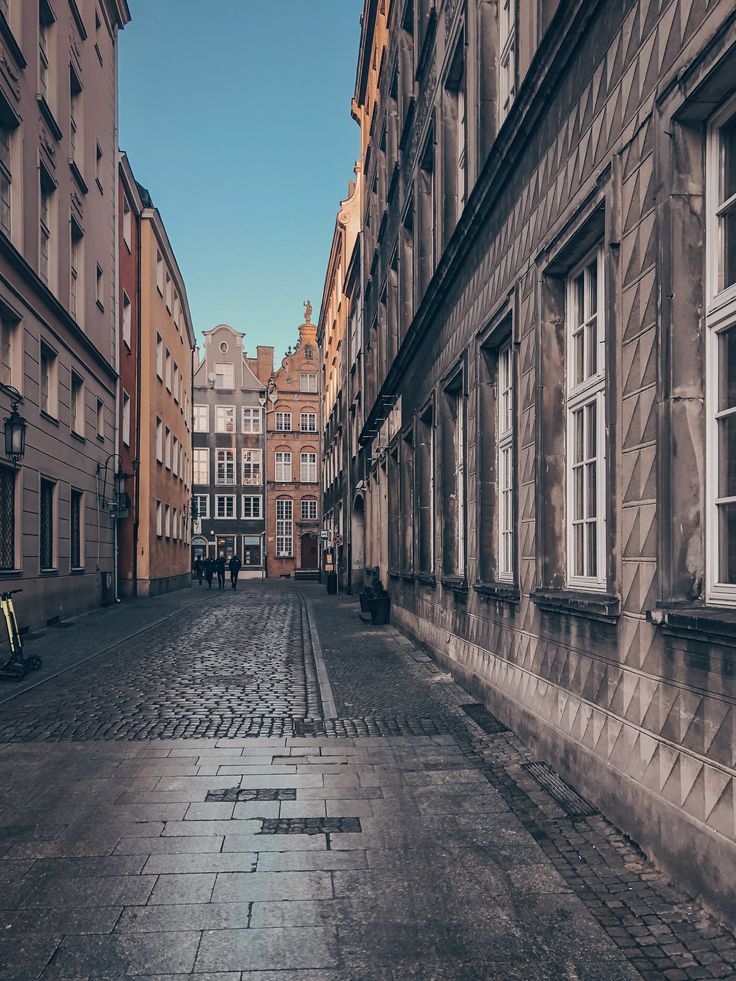
Street-level view representing the King Edward Hotel area in Saskatoon, Saskatchewan
Independent presentation site.

Hotel Overview

Background, atmosphere, and who the property tends to suit best.

Character and background

The King Edward Hotel reads as a long-standing, city-style property with a utilitarian approach to accommodation. Rather than leaning into a resort mood, it fits the “come-and-go” rhythm of an urban stay: check in, get settled, and use the location as a base for work, events, or exploring Saskatoon’s river-facing districts.

Travelers drawn to older buildings often appreciate the sense of place: thicker structural elements, a more lived-in feel, and a layout that can be less standardized than modern chain hotels. That also means experiences can vary by room placement, floor, and proximity to shared areas.

Best-fit guest types

  • Budget-focused short stays where a straightforward room matters more than premium extras.
  • Solo travelers wanting a central base with simple logistics and walkable essentials nearby.
  • Work trips that prioritize location and downtime convenience over full-service facilities.
  • Stopovers for drivers who want predictable access to main routes and practical services.
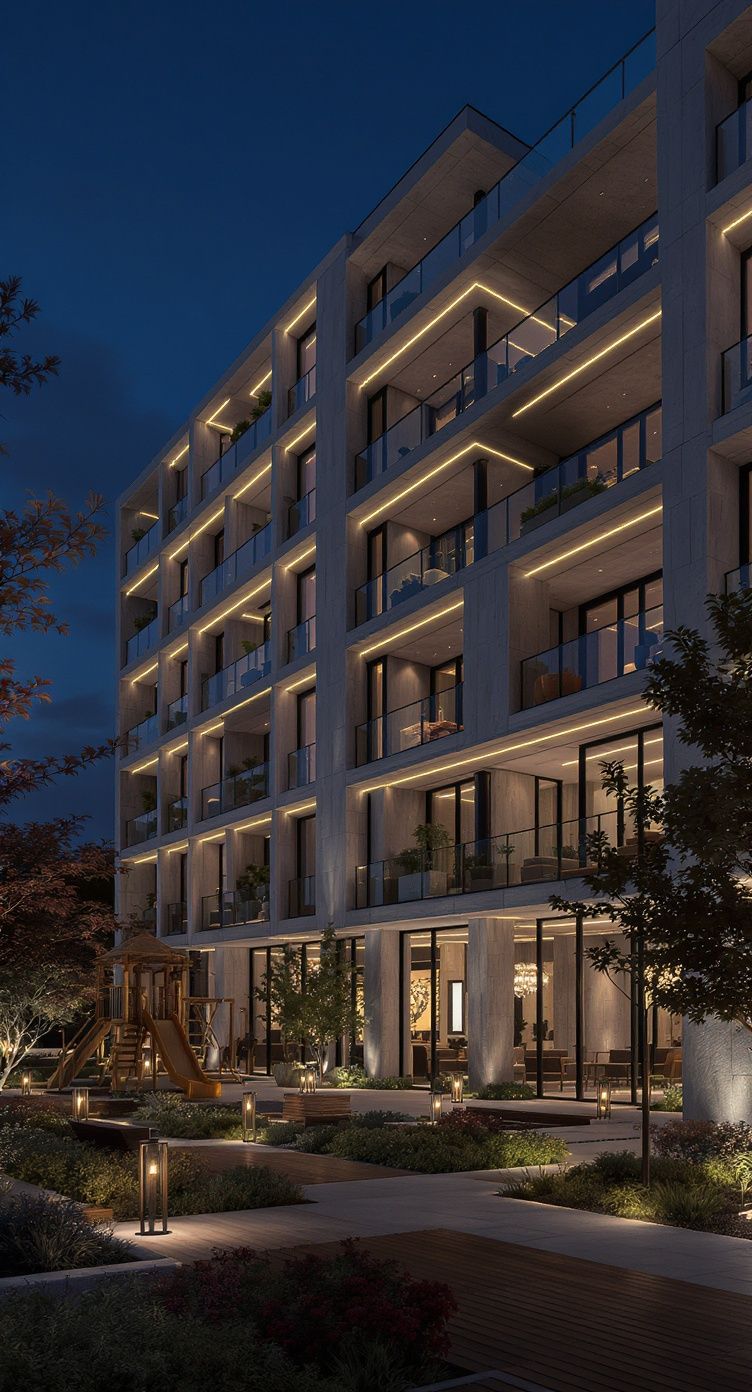
Exterior streetscape photo placeholder for the hotel building and surrounding blocks
A city property is often judged by the block it sits on: lighting, sidewalks, late-night activity, and access to essentials.
Lobby or entry area photo placeholder showing a simple, functional interior

Atmosphere and style

Expect a practical, no-nonsense atmosphere. In hotels like this, the strongest positives tend to be clarity and simplicity: signage that helps you navigate quickly, an entry that feels efficient rather than ornate, and a stay pattern that works for travelers who spend more time out in the city than on the property.

If you’re sensitive to building quirks, it’s worth approaching with the mindset that “heritage” and “older urban” often come with tradeoffs: sound transmission can be more noticeable, and room layouts may be less uniform.
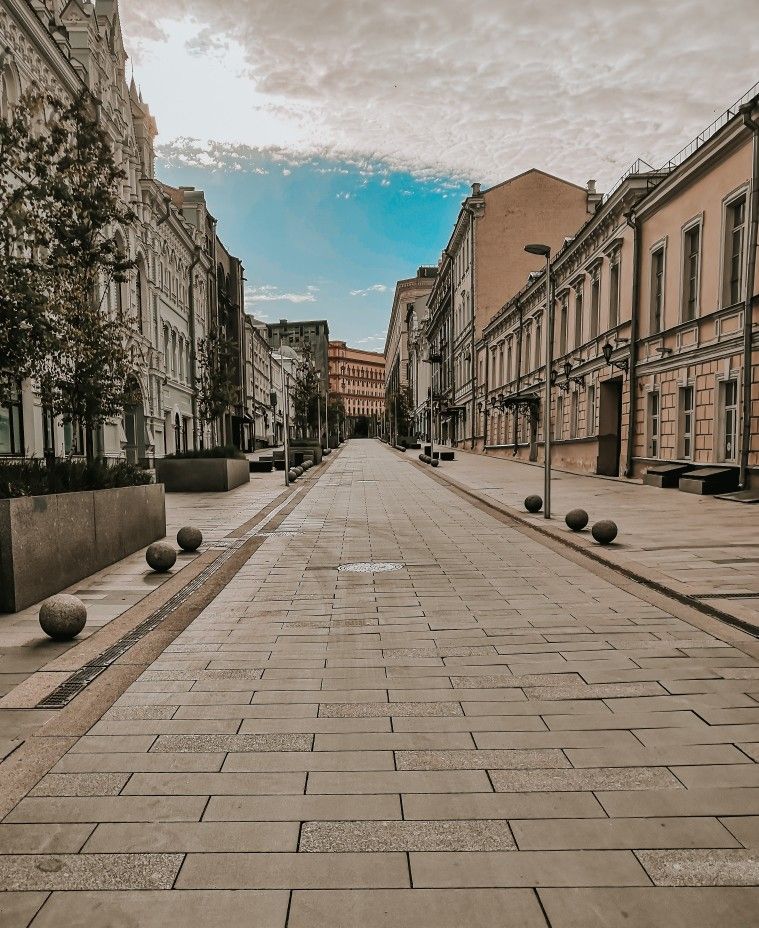
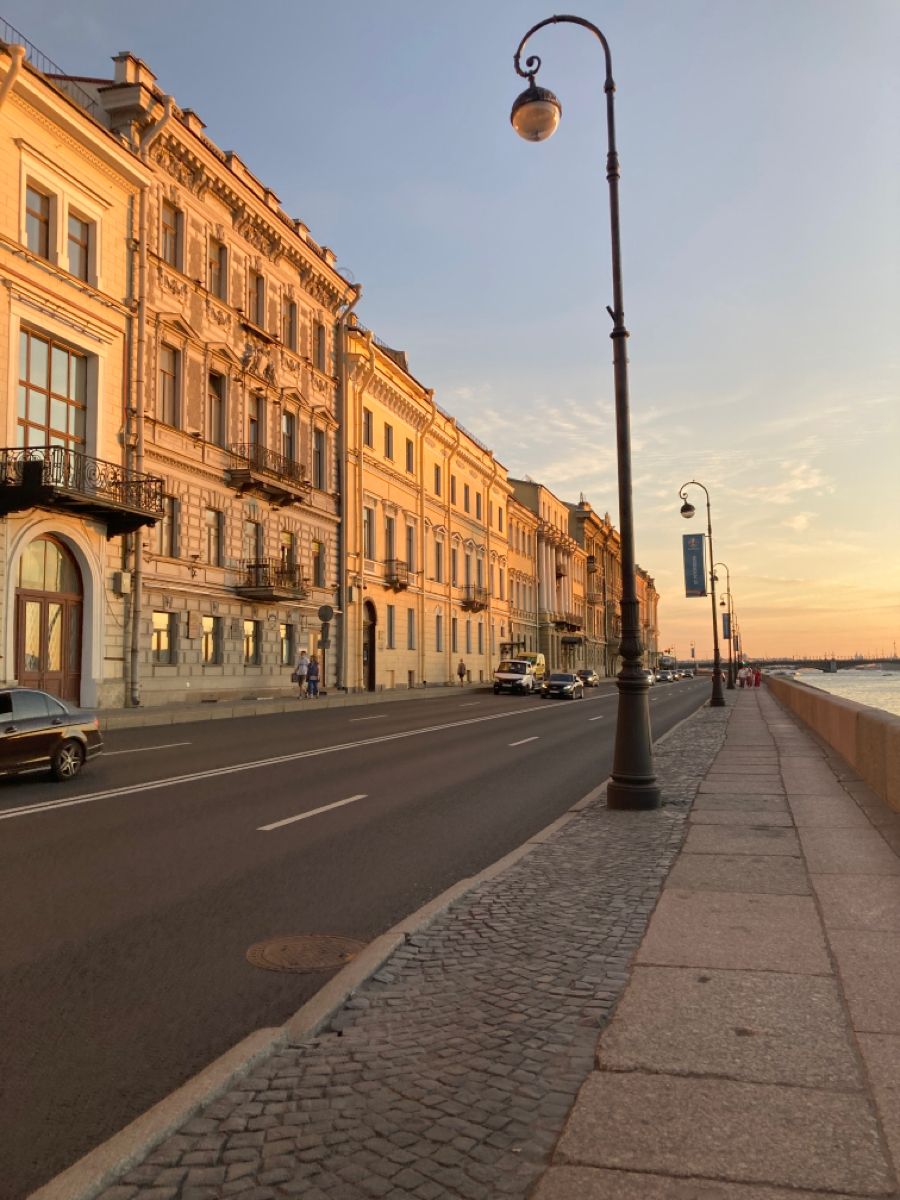
Neighborhood image placeholder representing nearby streets, shops, and transit access

What matters most for a comfortable stay

For many travelers, comfort here comes down to selecting the right room position and setting expectations correctly. If you value quiet, prioritize rooms away from late-night common areas and street-facing corners. If you value convenience, a room closer to exits and shared spaces can make a one-night stay smoother.

This hotel stay experience is generally best approached as a practical base in Saskatoon rather than a destination property. When you’re comparing accommodation in Saskatoon, SK, treat it as a “useful location + simple room” option.

Exact Location Details

Address, neighborhood feel, landmarks, walkability, and convenience notes.

Full address

King Edward Hotel
314 20th Street West
Saskatoon, Saskatchewan S7M 0X4
Canada

Neighborhood profile

The surrounding blocks function as a transition zone between busier arterial routes and pockets of mixed-use city life. For travelers, this typically means practical access to convenience stores, quick eats, and straightforward driving routes, with downtown districts a short trip away.

Landmarks and orientation

  • Downtown Saskatoon: reachable by a short drive; good for offices, venues, and riverfront walks.
  • River corridor: city parks and pathways can be a highlight in fair-weather months.
  • Main routes: staying near principal streets often simplifies arrivals from highways and regional roads.

Walkability, safety, and late-night comfort

Walkability depends on your itinerary: daytime errands and quick meals are generally easier than long evening strolls. If you’re arriving late, consider planning your route in advance and using well-lit streets. Like many urban areas, comfort levels can vary by time of day and block-to-block activity.

Transit and getting around

Saskatoon is easiest with a car for multi-stop schedules, but simple point-to-point trips can be handled by local transit and rideshare depending on your timing. If you’re in town for a short stay, a “hub-and-spoke” plan works well: pick a few anchors (downtown, riverfront, a restaurant district) and travel directly between them.

Convenience checklist

  • Easy access to main roads for early departures
  • Practical for quick meals and essentials nearby
  • Good base for downtown and event venues by car
  • Evening comfort improves with a planned route and timing

Map image

Map image placeholder showing the hotel area and nearby main routes in Saskatoon
Use an original map graphic you have rights to use. Avoid embedding third-party map scripts for speed.

Rooms & Accommodation

Room types, comfort factors, cleanliness expectations, and who each option suits best.

Standard Queen

Solo / Couples

A practical room for one or two guests. The best experience usually comes from a queen mattress in good condition, consistent lighting, and a layout that keeps luggage out of the walkway.

  • Size feel: compact-to-moderate; ideal for short stays with light luggage.
  • Bedding: queen bed comfort is the deciding factor; bring a sleep mask if you’re sensitive to street glow.
  • Noise: request a room away from late-night activity if you’re an early sleeper.
  • Best for: overnight stopovers, quick city visits, budget work travel.
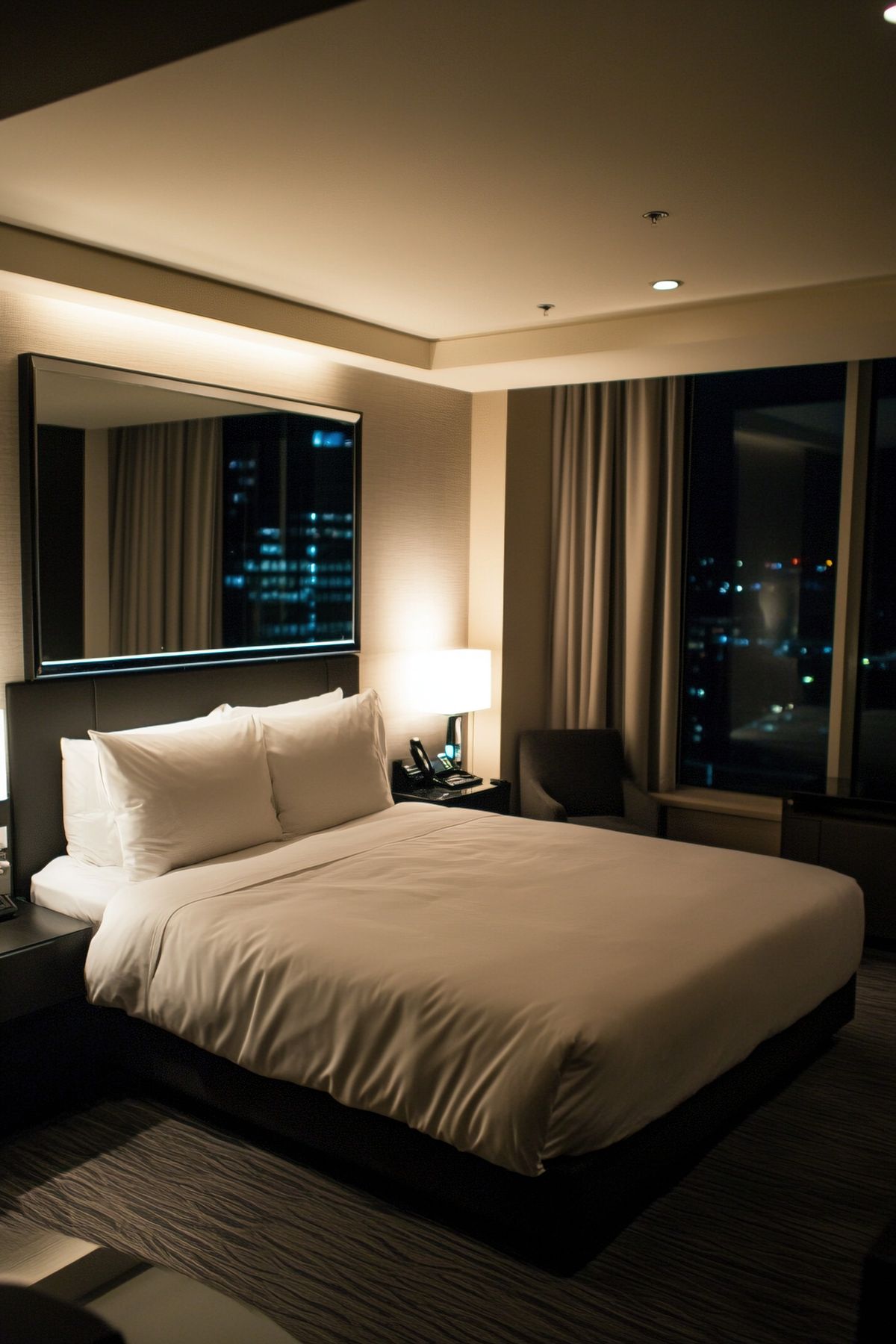
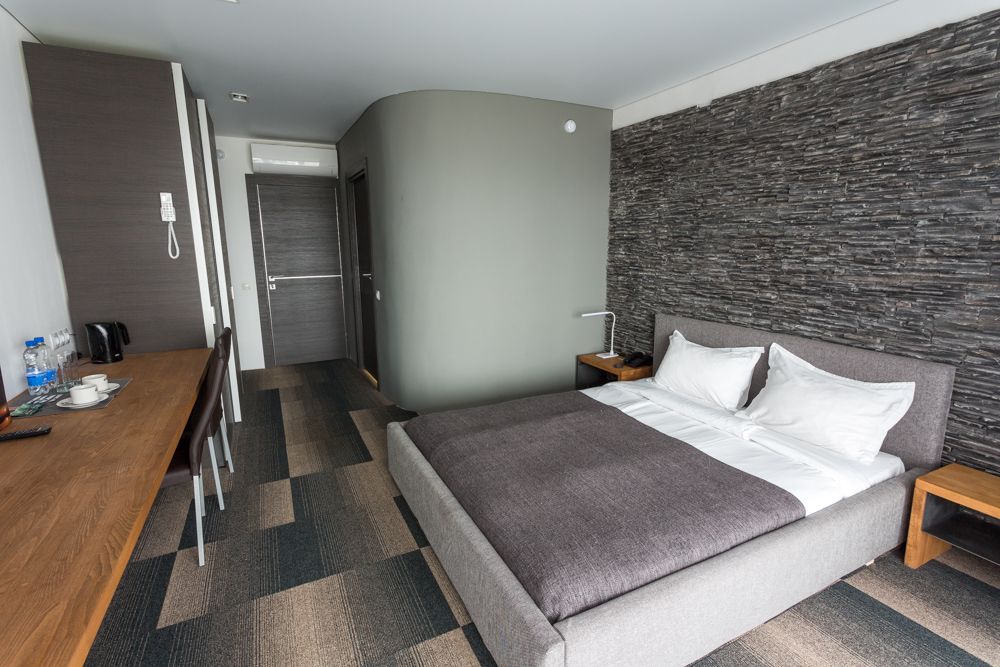
Standard queen room photo placeholder with neutral decor and simple lighting

Double Room

Friends / Family

Better for travelers who need separate sleeping surfaces. Look for clear walking space between beds and outlets placed where two people can charge devices without rearranging furniture.

  • Size feel: more functional for two; storage space matters when both guests have bags.
  • Comfort: two beds reduce sleep disruption; request fresh linens and confirm heating/cooling behavior.
  • Noise: street-facing rooms can be livelier; interior-facing rooms tend to feel steadier.
  • Best for: friends traveling together, parents with a child, event weekends.
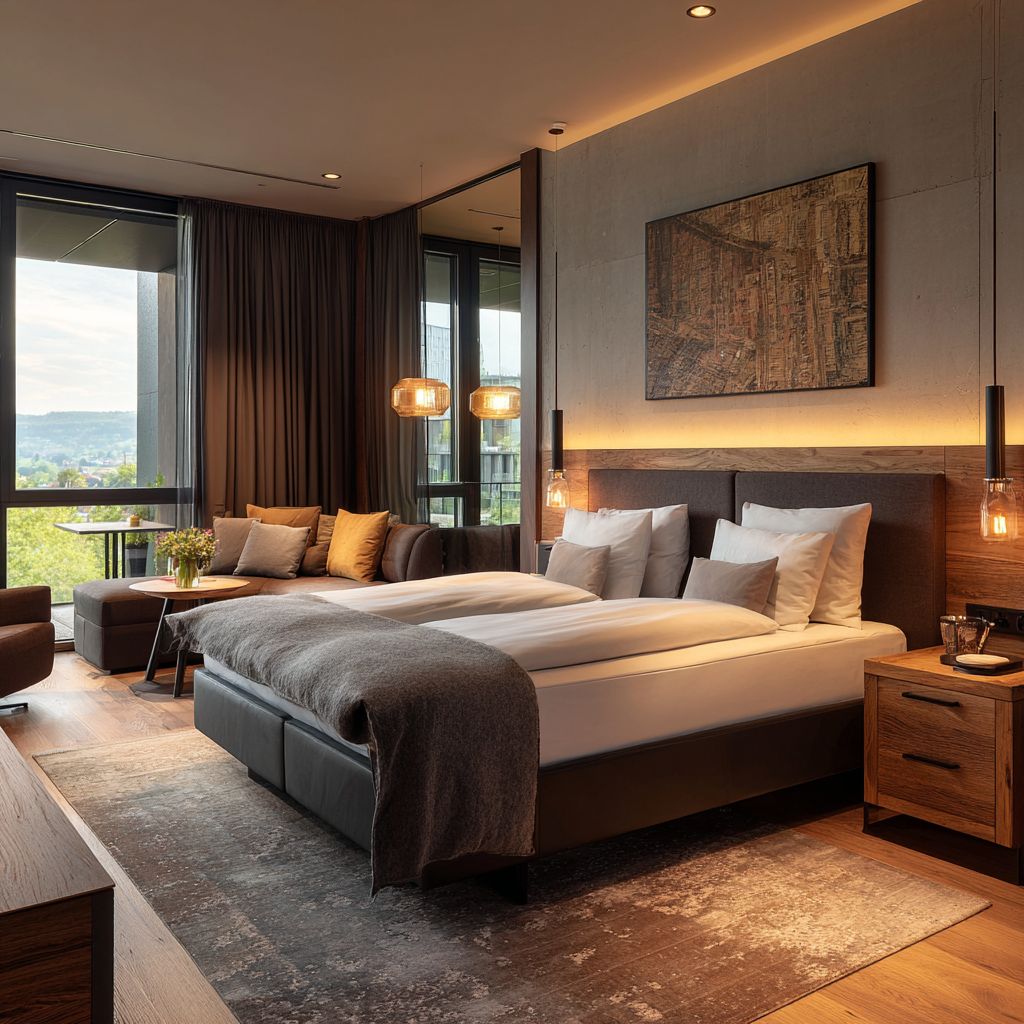
Double room photo placeholder with two beds and a simple work surface

Economy Option

Short stays

Designed for travelers who prioritize cost and location. For comfort, the most important checks are mattress condition, bathroom ventilation, and whether the room lighting is warm and sufficient for evening downtime.

  • Cleanliness: expect a simple baseline; if you’re picky, bring disinfecting wipes for high-touch points.
  • Lighting: older fixtures can be dim; desk lighting helps if you work at night.
  • Views: treat views as a bonus; the value here is a functional sleep and shower.
  • Best for: one-night stays, budget travelers with a tight itinerary.
Bathroom photo placeholder showing clean surfaces and simple fixtures

Sleep quality checklist for this type of city hotel

  • Ask for a quieter placement if you’re sensitive to street noise.
  • Pack earplugs for light sleepers; it’s the simplest sleep upgrade.
  • Confirm window coverings if you need a dark room.
  • Bring a small power strip if outlets are limited or awkwardly placed.
  • Check heating behavior in winter; Saskatoon nights can be sharply cold.
  • Request extra towels early if housekeeping timing is variable.
  • Use a soft bag if stairwells or narrow corridors make rolling luggage annoying.
  • Plan your arrival window to reduce stress if parking is tight.

Amenities & Services

What to expect from front desk support, Wi-Fi, housekeeping, accessibility, and shared spaces.

Front desk experience

In a practical urban hotel, the best service is often straightforward: quick ID verification, clear rules, and staff who can answer basic questions about parking and late entry. If you’re arriving late, it’s smart to plan for a smooth check-in by keeping essentials accessible and confirming building access after hours.

If you need a quieter room or specific layout, ask early and communicate in simple, specific terms (for example: “away from street-facing corners” or “not near shared doors”).

Wi-Fi quality

Wi-Fi performance in older properties can vary by floor and room distance from access points. For typical browsing and messaging, you’ll likely be fine. If you’re doing video calls, consider sitting closer to the room’s strongest signal area, and keep a backup plan (mobile hotspot) if your work is time-critical.

  • Best use: email, browsing, streaming at moderate quality.
  • Work travel tip: test the connection right after check-in so you can adjust your setup early.

Housekeeping and cleanliness

Expect a basic, functional standard: fresh linens, a cleaned bathroom, and reset waste bins. On multi-night stays, timing can be less consistent than in large chains, so it helps to request refills (towels, toiletries) proactively if you know you’ll need them.

If you have allergies, bringing your own pillowcase or a lightweight travel sheet can add comfort without much bulk.

Parking, accessibility, and common areas

Parking and accessibility are often the most practical variables. If you’re driving a larger vehicle, arrive earlier when possible. For mobility needs, confirm room proximity to entrances and whether there are steps in key paths. Shared areas are typically simple and functional, meant for passing through rather than spending time.

  • Parking: treat it as first-come, with better options earlier in the day.
  • Accessibility: confirm the most direct path from entrance to your room.
  • Common areas: minimal seating; plan to relax in your room or nearby cafes.

Dining & Nearby Food Options

On-site availability (when applicable) and how to plan meals around the neighborhood.

On-site dining expectations

Properties in this category may have limited on-site dining, or hours that work best for early evenings rather than late nights. For a smoother stay, plan as if you’ll rely on nearby options: grab breakfast ingredients, choose one reliable dinner spot, and keep a late snack in your bag if you arrive after typical kitchen hours.

Nearby food strategy

  • Quick breakfast: cafes or bakeries work well when you want a fast start and a warm drink.
  • Casual lunch: look for counter-service spots for predictable timing.
  • Dinner flexibility: aim for places with steady weekday hours if you’re traveling for work.

Diet suitability

For vegetarian, vegan, gluten-aware, or halal preferences, the most reliable approach is to scan menus ahead of time and choose a couple of “known safe” options. Even when a neighborhood has plenty of food, late-night specialty choices can narrow quickly.

If you’re staying more than two nights, consider a simple grocery run for breakfast staples and snacks. That reduces stress and improves value-for-money on longer stays.

Good traveler habit

When your hotel stay experience depends on nearby food, save two places in your phone: one for a quick meal and one for a sit-down meal. It prevents decision fatigue after a long travel day.

Guest Experience Analysis

What tends to work well, what may not, and how to evaluate value neutrally.

What guests usually appreciate

  • Functional simplicity: a straightforward base for sleeping and showering without complex processes.
  • City positioning: convenient access to main roads and a short trip to downtown anchors.
  • Budget logic: works best when price and location are the deciding factors.
  • Flexible planning: good for travelers who spend their days out and return mainly to rest.

Potential drawbacks (neutral)

  • Sound variability: older buildings and urban blocks can amplify noise depending on room placement.
  • Inconsistent room feel: layouts and lighting may differ across rooms more than in newer chains.
  • Limited “hangout” space: common areas often support transit, not long lounging.
  • Best for planners: comfort improves when you plan food and transport rather than improvising late.

Value-for-money discussion

Value here is mostly a ratio of location + practicality versus your tolerance for urban noise and older-building quirks. If your itinerary is full and you mainly need a bed, shower, and a reasonable base in Saskatoon, this style of accommodation can make sense. If you’re prioritizing resort-like calm, premium design, or high-consistency room standards, you may feel the tradeoffs more sharply.

A helpful way to decide is to list your non-negotiables (quiet sleep, strong Wi-Fi for calls, easy parking) and align your room choice and timing with them. Many “mixed review” experiences can be traced to a mismatch between expectations and what a practical city hotel is designed to provide.

Who This Hotel Is Ideal For

A clear match guide for business trips, couples, solo travelers, and stay length.

Business travelers

Best for work trips where you need a simple base and you’ll spend most of the day off-property. If you take video calls, verify the Wi-Fi early and use a hotspot as backup. Plan your meals so you’re not hunting late at night.

Stay length: 1–3 nights tends to feel most efficient for this category.

Couples

Works for couples who value location and price over a “special occasion” vibe. If you’re celebrating, you may prefer a quieter, more design-forward option elsewhere. If you’re here to explore the city, the hotel can function as a practical place to recharge.

Stay length: short city breaks, especially when your days are fully scheduled.

Solo travelers

A practical fit for solo visitors focused on convenience. The best experience comes from choosing a room placement that supports rest, and being intentional about evening plans so you’re not improvising in unfamiliar blocks late at night.

Stay length: 1–4 nights, with a clear plan for transit and meals.

Short stays vs. longer stays

For longer stays, comfort depends on daily rhythms: laundry planning, a reliable breakfast routine, and a calm working setup. If your stay extends beyond a few nights, consider whether you’ll want more amenities on-site, or if you’re happy living “out in the city.”

Rule of thumb: ideal as a base; less ideal as a place to spend entire days.

Local Area Guide

Things to do nearby, city highlights, parks, shopping, and seasonal ideas around Saskatoon.

What to do within an easy trip

Riverfront walks and parks

Saskatoon’s river corridor is a high-value activity because it scales to your energy level: a short walk, a longer path session, or a sit-down break with scenic views. In warmer months, plan for sunset timing and layered clothing.

Downtown venues and events

If you’re visiting for an event, build extra time into your schedule for parking and pre-event meals. Downtown tends to be easiest when you choose one area to park and walk rather than moving the car multiple times.

Shopping and essentials

For practical shopping, focus on essentials first: snacks, water, and any personal items you forgot. That small reset can improve the overall hotel stay experience, especially in winter when quick trips feel more demanding.

Seasonal activities

Winter travel in Saskatchewan is rewarding but requires planning: footwear, warm layers, and extra transit time. In summer, daylight is generous—perfect for late walks, patios, and extended sightseeing days.

Practical Travel Tips

Best time to stay, weather planning, and transportation tips for Saskatoon, Saskatchewan.

Best time to stay

Late spring through early fall is typically easiest for walking, casual exploring, and flexible evening plans. If your priority is events or work travel, choose dates based on your schedule and plan around weather rather than avoiding it.

  • Warm season: easier mobility and longer days for sightseeing.
  • Cold season: quieter travel vibe, but more gear and time needed.

Weather considerations

Saskatoon winters can be sharply cold, and wind chill matters. Plan your clothing like a system: base layer, insulating layer, and a wind-resistant outer layer. In warmer months, evenings can still cool down quickly.

If you’re driving, keep your vehicle prepared for seasonal conditions and budget extra time for morning starts.

Transportation tips

For most visitors, driving is the easiest way to cover multiple neighborhoods efficiently. If you’re without a car, keep your itinerary concentrated and group activities by area. That reduces transit complexity and improves the pace of your day.

  • Arrivals: arriving in daylight can reduce stress and improve neighborhood orientation.
  • Day planning: cluster stops to avoid unnecessary backtracking.
  • Work trips: identify one reliable coffee stop as a fallback workspace.

Contact the Hotel

Questions about reservations, amenities, check-in/out, or special requests.

Message sent
Thanks! We’ll get back to you soon.